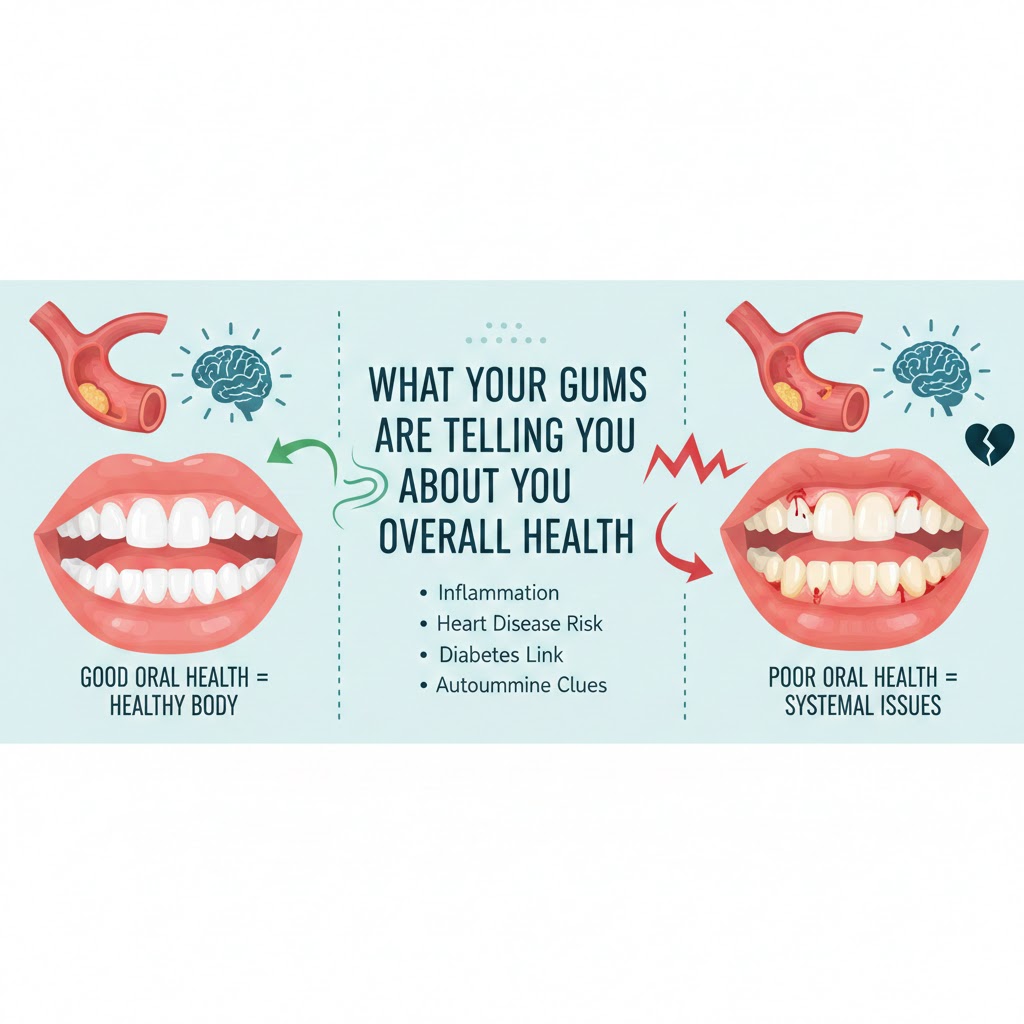
When most people think about oral health, they focus on teeth—whitening, cavities, or straightening. But your gums play an equally important role, and in many cases, they can reveal far more than what’s happening inside your mouth. Healthy gums are often a sign of good overall health, while unhealthy gums may signal underlying systemic issues that go beyond dentistry.
At Frederick Prime Dental, we view the mouth as a gateway to the body. Changes in your gums can be early warning signs of inflammation, chronic disease, nutritional deficiencies, or immune system concerns. Understanding what your gums are telling you allows for earlier intervention and better long-term health outcomes.
This article explains how gum health reflects overall health, common gum symptoms and what they may indicate, and why routine dental visits are essential for more than just your smile.
Why Gum Health Matters More Than You Think
Your gums are living tissue with a rich blood supply. Because of this, they respond quickly to inflammation, infection, and systemic changes in the body. Unlike teeth, which are static structures, gums actively reflect your body’s immune and inflammatory responses.
When gums are healthy, they appear:
-
Pale pink (or naturally pigmented, depending on genetics)
-
Firm and snug around the teeth
-
Free of bleeding, swelling, or pain
When something is wrong—locally or systemically—gums are often among the first tissues to show signs.
Bleeding Gums: A Common but Important Warning Sign
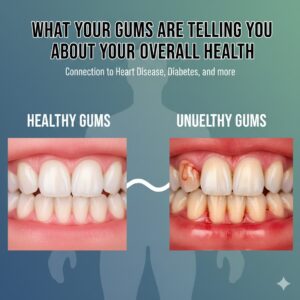
One of the most frequent symptoms patients ignore is bleeding gums, especially during brushing or flossing. While many assume this is normal, healthy gums do not bleed.
Bleeding gums may indicate:
-
Gingivitis (early-stage gum disease)
-
Inadequate oral hygiene
-
Hormonal changes (pregnancy, menopause)
-
Vitamin deficiencies, particularly vitamin C or K
-
Diabetes or blood sugar imbalance
-
Immune system dysfunction
Persistent bleeding is your body’s way of signaling inflammation. If left untreated, this inflammation can progress beyond the gums and affect other systems.
Gum Disease and Chronic Inflammation
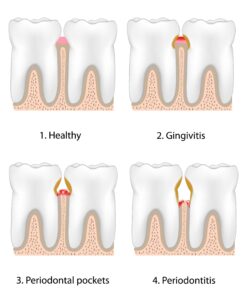
Gum disease, also known as periodontal disease, is a chronic inflammatory condition caused by bacterial buildup along the gumline. It progresses in stages:
Gingivitis (Early Stage)
-
Red, swollen gums
-
Bleeding during brushing or flossing
-
No bone loss (reversible with treatment)
Periodontitis (Advanced Stage)
-
Gum recession
-
Bone loss around teeth
-
Persistent bad breath
-
Loose teeth or tooth loss
What makes gum disease especially concerning is its link to systemic inflammation. Chronic inflammation in the gums allows bacteria and inflammatory markers to enter the bloodstream, potentially affecting other organs.
The Link Between Gum Health and Heart Disease
Research has shown a strong association between periodontal disease and cardiovascular conditions. While gum disease does not directly cause heart disease, the inflammation and bacteria associated with it may increase the risk of:
-
Atherosclerosis (plaque buildup in arteries)
-
Heart attack
-
Stroke
Inflammatory markers found in gum disease have also been detected in arterial plaques. This suggests that poor gum health may contribute to the inflammatory burden on the cardiovascular system.
Maintaining healthy gums is not just about preventing tooth loss—it may play a role in protecting heart health.
Diabetes and Gum Disease: A Two-Way Relationship
Diabetes and gum disease have a bidirectional relationship:
-
Poorly controlled diabetes increases the risk of gum infections
-
Gum disease can make blood sugar levels harder to control
High blood sugar weakens the immune response, making it easier for bacteria to thrive in the gums. In turn, chronic gum inflammation can worsen insulin resistance.
For patients with diabetes, regular periodontal care is an essential part of overall disease management.
What Swollen or Puffy Gums May Indicate
Swollen gums are another sign that should not be ignored. They may feel tender, appear shiny, or look enlarged.
Possible causes include:
-
Active gum infection
-
Hormonal changes
-
Certain medications (such as blood pressure or seizure medications)
-
Nutritional deficiencies
-
Autoimmune conditions
Persistent swelling suggests ongoing inflammation that requires professional evaluation.
Gum Recession and Systemic Stress
Receding gums are often associated with aggressive brushing or gum disease, but they can also be influenced by:
-
Chronic stress and teeth grinding
-
Smoking or vaping
-
Inflammatory conditions
-
Aging combined with systemic health factors
Stress, in particular, plays a significant role. Elevated stress hormones can weaken immune response and increase clenching or grinding, which places additional pressure on the gums.
Pale or Discolored Gums: When Color Matters
Healthy gums have consistent coloration. Changes in color may indicate systemic issues:
-
Pale gums may suggest anemia or poor circulation
-
Bright red gums often signal acute inflammation
-
Dark patches may be normal pigmentation but should still be evaluated
Any sudden or unexplained color changes should be examined by a dental professional.
Bad Breath and Gum Health
Chronic bad breath (halitosis) is often linked to gum disease. Odor-causing bacteria thrive in inflamed gum pockets, releasing sulfur compounds that brushing alone cannot eliminate.
Persistent bad breath may be a sign of:
-
Periodontal infection
-
Dry mouth (which may be medication-related)
-
Digestive or metabolic issues
Addressing the underlying gum condition is essential for long-term resolution.
The Mouth-Body Connection: Why Dentists Look Beyond Teeth
Dentists are often the first healthcare providers to notice signs of systemic disease. Changes in gum tissue may prompt referrals or discussions about:
-
Blood sugar control
-
Cardiovascular risk
-
Nutritional deficiencies
-
Immune system health
This is why routine dental examinations are critical—even when you’re not experiencing pain.
How to Protect Your Gum and Overall Health
Maintaining healthy gums supports your entire body. Key steps include:
-
Brushing twice daily with proper technique
-
Flossing daily to remove bacteria between teeth
-
Attending regular professional cleanings
-
Managing stress levels
-
Avoiding smoking and vaping
-
Addressing teeth grinding or jaw tension
-
Maintaining regular medical checkups
Prevention and early detection are always more effective than treatment at advanced stages.
When to See a Dentist Immediately
You should schedule a dental evaluation if you notice:
-
Bleeding gums that persist more than a few days
-
Gum swelling or pain
-
Receding gums
-
Loose teeth
-
Persistent bad breath
-
Changes in gum color or texture
Early intervention can prevent both dental and systemic complications.
Final Thoughts
Your gums are not just supporting structures for your teeth—they are active indicators of your overall health. Bleeding, swelling, recession, or discoloration should never be ignored. These signs may reflect inflammation, infection, or broader health concerns that deserve attention.
By monitoring gum health and maintaining regular dental care, you take an important step toward protecting not only your smile, but your long-term well-being.