
For many patients, the thought of going to the dentist brings anxiety, fear, or even avoidance. Past negative experiences, sensitive gag reflexes, difficulty getting numb, or general dental phobia can make necessary care feel overwhelming. Unfortunately, delaying dental treatment often leads to more complex problems over time.
At Frederick Prime Dental, we believe that dental care should never feel intimidating. Oral sedation dentistry is a safe and effective option designed to help anxious patients feel relaxed, comfortable, and confident during their appointments—without the need for IV sedation or general anesthesia.
This article explains what oral sedation is, how it works, who it’s for, and what patients can expect before, during, and after treatment.
What Is Oral Sedation Dentistry?
Oral sedation dentistry involves taking a prescribed sedative medication by mouth before your dental appointment. The medication helps calm the nervous system, reduce anxiety, and create a deeply relaxed state while allowing you to remain awake and responsive.
Oral sedation is commonly used for patients who:
-
Experience dental anxiety or fear
-
Have difficulty sitting still for long procedures
-
Have a strong gag reflex
-
Need multiple treatments completed efficiently
-
Avoid dental care due to stress
Unlike general anesthesia, oral sedation does not cause unconsciousness. Patients remain able to breathe independently and respond to instructions, but often feel detached, calm, and unconcerned during treatment.
How Oral Sedation Works
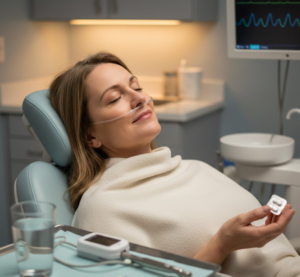
The medication used for oral sedation belongs to a class of drugs that slows activity in the central nervous system. Once taken, it produces a sense of relaxation, drowsiness, and reduced awareness of time.
Patients often describe the experience as:
-
Feeling deeply calm and at ease
-
Time passing very quickly
-
Remembering little to none of the procedure afterward
Although you are awake, anxiety is significantly reduced, allowing dental treatment to be completed more comfortably and efficiently.
What to Expect Before Your Appointment
Before recommending oral sedation, a thorough consultation is required. Your dentist will review your medical history, medications, allergies, and overall health to ensure oral sedation is safe for you.
You will receive clear instructions, which typically include:
-
Taking the prescribed medication at a specific time before your appointment
-
Avoiding food or drink for a set period beforehand
-
Arranging for a responsible adult to accompany you and drive you home
Because oral sedation affects alertness, patients cannot drive themselves to or from the appointment.
During the Dental Procedure
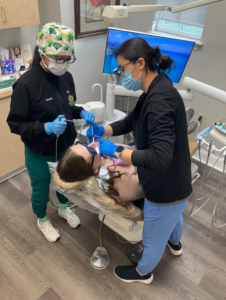
Once the medication takes effect, you will feel relaxed and drowsy, though still conscious. Local anesthesia is usually still administered to ensure complete comfort during treatment.
Throughout the procedure:
-
Your vital signs are monitored
-
You remain responsive but calm
-
Anxiety and physical tension are significantly reduced
Many patients are surprised by how smooth and stress-free the experience feels, especially if they have avoided dental care in the past.
After the Appointment: Recovery and Aftercare
After treatment, the sedative effects may linger for several hours. You may feel:
-
Sleepy or groggy
-
Slightly unsteady
-
Less focused than usual
Most patients have little memory of the appointment. You’ll need to rest for the remainder of the day and avoid work, driving, or making important decisions until the medication fully wears off.
By the following day, most patients feel completely back to normal.
Is Oral Sedation Safe?
Oral sedation is considered very safe when administered by trained dental professionals following proper guidelines. Patient screening, appropriate dosing, and monitoring are essential components of safety.
That said, oral sedation may not be suitable for everyone. It may not be recommended for patients who:
-
Are pregnant
-
Have certain respiratory or medical conditions
-
Are taking medications that interact with sedatives
This is why a detailed consultation is always required before proceeding.
Benefits of Oral Sedation Dentistry
Oral sedation offers more than just anxiety relief. It can significantly improve the overall dental experience and long-term oral health.
Patients often benefit from:
-
Reduced dental fear and avoidance
-
Ability to complete longer or multiple treatments in fewer visits
-
Improved comfort for sensitive or complex procedures
-
Better cooperation for patients with gag reflexes or jaw tension
-
A more positive relationship with dental care
For many patients, oral sedation becomes the reason they can finally receive the care they’ve been postponing.
Oral Sedation vs Other Sedation Options
Oral sedation is one of several sedation methods available in dentistry.
-
Nitrous oxide (laughing gas) offers mild relaxation and wears off quickly
-
Oral sedation provides deeper relaxation with longer-lasting effects
-
IV sedation offers more controlled and deeper sedation, typically for complex cases
The best option depends on your anxiety level, medical history, and treatment needs.
Who Is a Good Candidate for Oral Sedation?
Oral sedation may be ideal if you:
-
Feel anxious or fearful about dental visits
-
Have avoided dental care for years
-
Need extensive dental treatment
-
Have difficulty relaxing in the dental chair
A personalized evaluation ensures the safest and most effective approach for your needs.
Final Thoughts
Dental anxiety is more common than many people realize—and it should never be a barrier to receiving quality care. Oral sedation dentistry provides a safe, effective, and approachable solution for patients who want a calmer, more comfortable dental experience without undergoing invasive sedation methods.
With the right planning and professional oversight, oral sedation allows patients to regain control over their oral health in a way that feels manageable and stress-free.
If you’ve been delaying dental care due to fear or anxiety, oral sedation may be the option that helps you move forward with confidence.