
A toothache that hits at night can feel like the worst kind of pain—because it’s sudden, it’s hard to ignore, and you’re not sure whether it’s something you can manage until morning or a true emergency. If you’re in Frederick, Maryland, you’re not alone. Nighttime toothaches are one of the most common reasons people search for “emergency dentist near me” after hours.
Here’s the truth: tooth pain at night is rarely random. In most cases, it’s a sign of an underlying issue—like a cavity, a crack, gum inflammation, a wisdom tooth problem, or an infection. While there are safe steps you can take at home to reduce discomfort overnight, toothaches usually don’t resolve permanently without professional care.
This guide is designed to help you make the right call tonight and protect your health:
-
What to do immediately (step-by-step)
-
What not to do (common mistakes)
-
Why toothache feels worse at night
-
Most common causes of nighttime tooth pain
-
Emergency warning signs (when not to wait)
-
What to expect when you see a dentist
-
Frequently asked questions
-
How to prevent future nighttime toothaches
Important: This article is educational and doesn’t replace a dental exam. If you have facial swelling, fever, difficulty breathing or swallowing, or severe pain that won’t ease, seek urgent care right away.
Quick action plan: What to do right now if you have a toothache at night
If it’s late and you need fast relief, follow these steps in order. These are safe for most people and can help you get through the night until you can be evaluated.

Step 1: Rinse gently with warm salt water
This helps calm irritated gum tissue and flush out bacteria and debris.
-
Mix ½ teaspoon of salt into a glass of warm (not hot) water
-
Swish gently for 30 seconds, then spit
-
Repeat 2–3 times
Why it helps: Salt water supports the body’s natural healing response and can reduce irritation.
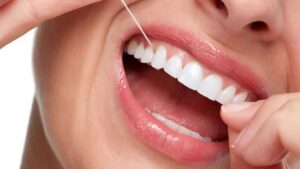
Step 2: Floss carefully (even if it’s uncomfortable)
Sometimes toothache is triggered by food stuck between teeth. It presses against inflamed gums or irritates a sensitive cavity area.
-
Floss gently (don’t snap)
-
Remove any trapped food
-
Rinse again
Tip: If flossing triggers sharp pain in one exact area, it could be a sign of a cavity between teeth, gum irritation, or a cracked filling.

Step 3: Apply a cold compress (outside cheek only)
A cold compress reduces swelling and numbs pain signals.
-
Wrap an ice pack (or frozen peas) in a cloth
-
Hold it against the outside cheek for 10–15 minutes
-
Rest 10 minutes, then repeat
Important: Don’t place ice directly on your skin.
Step 4: Use an OTC pain reliever if it’s safe for you
Over-the-counter pain relievers can help manage discomfort. Always follow label instructions.
Be careful and consult a pharmacist/doctor first if you:
-
Are pregnant or breastfeeding
-
Have kidney disease, ulcers, liver disease
-
Take blood thinners
-
Have allergies to common pain relievers
-
Have uncontrolled high blood pressure
Step 5: Sleep with your head elevated

Lying flat can increase throbbing sensation. Use an extra pillow or sleep slightly upright.
Step 6: Avoid triggers overnight
Until you’re evaluated, avoid:
-
Very hot or cold drinks
-
Sugary snacks
-
Alcohol
-
Chewing on the painful side
What NOT to do (common mistakes that can make toothache worse)
When you’re in pain, it’s tempting to try “viral remedies,” but some of them can cause harm or delay treatment.
❌ Don’t put aspirin on the tooth or gums
Aspirin can burn gum tissue if placed directly on it. If you use aspirin, take it only as directed on the label.
❌ Don’t apply heat to facial swelling
If there’s infection, heat can increase swelling. Cold compress is safer.
❌ Don’t self-prescribe antibiotics
Antibiotics aren’t a cure-all for tooth pain and should only be used when prescribed appropriately.
❌ Don’t ignore swelling, fever, or pus
These are warning signs for infection that needs urgent evaluation.
❌ Don’t chew on the painful side
This can worsen a crack, irritate an inflamed nerve, and intensify pain.
Why toothache often feels worse at night
People frequently say: “It wasn’t this bad earlier—why is it unbearable now?”
Nighttime tooth pain can feel stronger because:
1) You’re lying down
When you lie flat, blood flow and pressure in the head can increase. If the tooth nerve is inflamed, that pressure can feel like intense throbbing.
2) Fewer distractions
During the day, your brain is busy. At night, pain becomes the loudest thing in the room.
3) Dry mouth increases sensitivity
Saliva helps neutralize acids and wash bacteria away. At night, saliva decreases, which can worsen irritation—especially with cavities or gum inflammation.
4) Clenching and grinding is common at night
Many people grind their teeth in sleep (sometimes without realizing). If there’s a cavity, crack, or inflamed gum, clenching can intensify pain.
The most common causes of nighttime toothache
Tooth pain is a symptom, not a diagnosis. Here are the most common issues behind nighttime toothaches.
1) Tooth decay (cavity)
Cavities start small and may not hurt at first. But when decay reaches deeper layers, pain can increase—especially at night.
Common signs:
-
Sensitivity to cold, sweets, hot drinks
-
Pain when biting
-
A dull ache that becomes sharp
-
Pain that wakes you up
Treatment: Often a filling, depending on depth.
2) Inflamed tooth nerve (pulpitis)
The pulp is the inner part of the tooth where nerves live. When irritated by deep decay, trauma, or cracks, pain may feel intense.
Signs of possible nerve involvement:
-
Throbbing pain
-
Lingering pain after hot/cold
-
Pain that wakes you from sleep
-
Pain that feels like it spreads to jaw/ear/temple
Treatment: Filling (if reversible), or root canal if irreversible.
3) Cracked tooth or damaged filling
Small cracks can be hard to see but very painful. Pain often occurs:
-
When chewing
-
When you release pressure after biting
-
With cold air or drinks
-
Randomly at night
Treatment: Depends on severity (bonding/crown/root canal/extraction).
4) Gum inflammation or gum infection
Gum issues can feel like tooth pain.
Signs:
-
Swollen gums
-
Bleeding when brushing/flossing
-
Tenderness
-
Bad breath
Treatment: Deep cleaning and gum care plan.
5) Dental abscess (infection) — urgent
An abscess is a pocket of infection and can worsen quickly.
Signs:
-
Severe throbbing pain
-
Swelling of face/jaw/gums
-
Pus or bad taste
-
Fever, chills, feeling unwell
-
A bump on the gums
Treatment: Drainage + root canal or extraction, plus medications if necessary.
6) Wisdom tooth problems
Wisdom teeth can cause pain at the back of the mouth, often worse at night.
Signs:
-
Pain back of jaw
-
Swollen gum near wisdom tooth
-
Bad taste/odor
-
Difficulty opening mouth fully
Treatment: Evaluation, cleaning/irrigation, possible extraction.
7) Teeth grinding (bruxism)
If you wake with jaw tightness or temple headaches, grinding may be part of the cause.
Signs:
-
Jaw soreness
-
Headaches
-
Tooth sensitivity
-
Worn tooth edges
Treatment: Night guard + stress/jaw care.
8) Sinus pressure (sometimes)
Upper tooth discomfort can sometimes be sinus-related, especially with congestion. But because tooth infections can mimic sinus pain, evaluation is important.
Safe overnight relief options (what works)
Home care can help you get through the night, but it does not fix the underlying issue.
Salt water rinse
Calms inflamed tissue and reduces bacteria temporarily.
Cold compress
Helps with swelling and pain.
Gentle brushing and flossing
Keeps bacteria under control.
Avoid sugary or acidic foods
Acid and sugar feed bacteria and can intensify pain.
Avoid alcohol and smoking
These can worsen irritation and delay healing.
When a toothache becomes an emergency (don’t wait)
Seek urgent dental or medical attention if you notice:
-
Facial swelling (especially spreading)
-
Fever or chills
-
Difficulty breathing or swallowing
-
Severe pain that won’t ease
-
Pus, bad taste, or foul smell
-
Jaw stiffness (trouble opening mouth)
-
Bleeding that won’t stop
-
Trauma with broken/loose/knocked-out tooth
If you have breathing or swallowing difficulty, treat it as a medical emergency—call emergency services or go to the nearest ER immediately.
What to expect when you see a dentist for tooth pain
If you come in for toothache, the visit typically includes:
1) Questions + exam
The dentist may ask:
-
When did the pain start?
-
What triggers it?
-
Is it sharp or throbbing?
-
Any swelling, fever, bad taste?
2) X-rays
X-rays help detect:
-
Deep decay
-
Root infection
-
Abscess
-
Bone loss
-
Hidden cracks
-
Wisdom tooth positioning
3) Treatment plan
Depending on cause, treatment may include:
-
Filling
-
Root canal
-
Crown
-
Deep cleaning
-
Extraction
-
Drainage if abscess present
The goal is to treat the cause—not just mask the pain.
FAQs: Toothache at night
“If the pain goes away in the morning, do I still need a dentist?”
Yes. Tooth problems can flare and quiet down before returning worse.
“Why does cold water help?”
Cold can numb pain and reduce inflammation—but may also indicate nerve involvement.
“Can I wait a few days?”
If pain is mild and improving, you can schedule soon. If there’s swelling, fever, pus, or worsening pain—don’t wait.
“Is toothache always a cavity?”
Not always. It could be a crack, gum infection, grinding, or abscess.
“Should I brush if it hurts?”
Yes, gently. Skipping brushing can allow bacteria to worsen inflammation.
Prevention: how to reduce nighttime toothaches
-
Regular checkups and cleanings
-
Treat sensitivity early
-
Floss consistently
-
Address grinding with a night guard
-
Avoid frequent sugary snacks/drinks
Need a dentist in Frederick, MD?
If you have a toothache at night and you’re in Frederick, Maryland, it’s best to get evaluated as soon as possible so we can treat the cause—whether it’s a cavity, infection, crack, or gum issue.
📍 Frederick Prime Dental — Frederick, MD
📞 Call/Text: 301-662-2160
🔗 Book Online: Flexbook.me/primedent
🌐 Website: frederickprimedental.com