When most people hear the word Botox, one image instantly comes to mind: smoother skin, fewer wrinkles, and a more youthful appearance. It’s commonly associated with beauty clinics, celebrities, and cosmetic enhancements. But what if Botox could do much more than soften fine lines? What if it could actually relieve pain, improve function, and enhance quality of life?
This is where modern dentistry steps in.
Over the past several years, Botox has quietly become a powerful tool in dental care—used not just for aesthetics, but for medical and therapeutic purposes. From easing jaw pain to treating chronic headaches and improving smiles, Botox in dentistry is changing the way patients experience oral health care.
If you’ve never heard of Botox being used by dentists, you’re not alone. It’s one of dentistry’s best-kept secrets—and one of its most exciting advancements. In this guide, we’ll explore what dental Botox really is, how it works, who it’s for, and why its benefits go far beyond wrinkles.
What Exactly Is Botox? A Simple Explanation
Botox is the brand name for botulinum toxin, a purified protein derived from bacteria. While the word “toxin” may sound alarming, Botox has been safely used in medicine for decades in extremely small, controlled doses.
In simple terms, Botox works by relaxing muscles. It blocks the nerve signals that tell a muscle to contract. When injected into a targeted muscle, it temporarily reduces movement, relieving tension and overactivity.
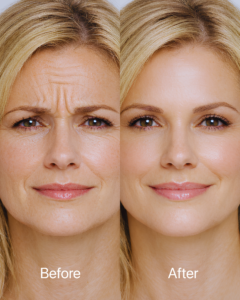
In cosmetic treatments, this muscle relaxation smooths wrinkles. In dentistry, that same muscle-relaxing effect is used to treat functional and pain-related conditions—often with life-changing results.
Why Dentists Are Uniquely Qualified to Use Botox
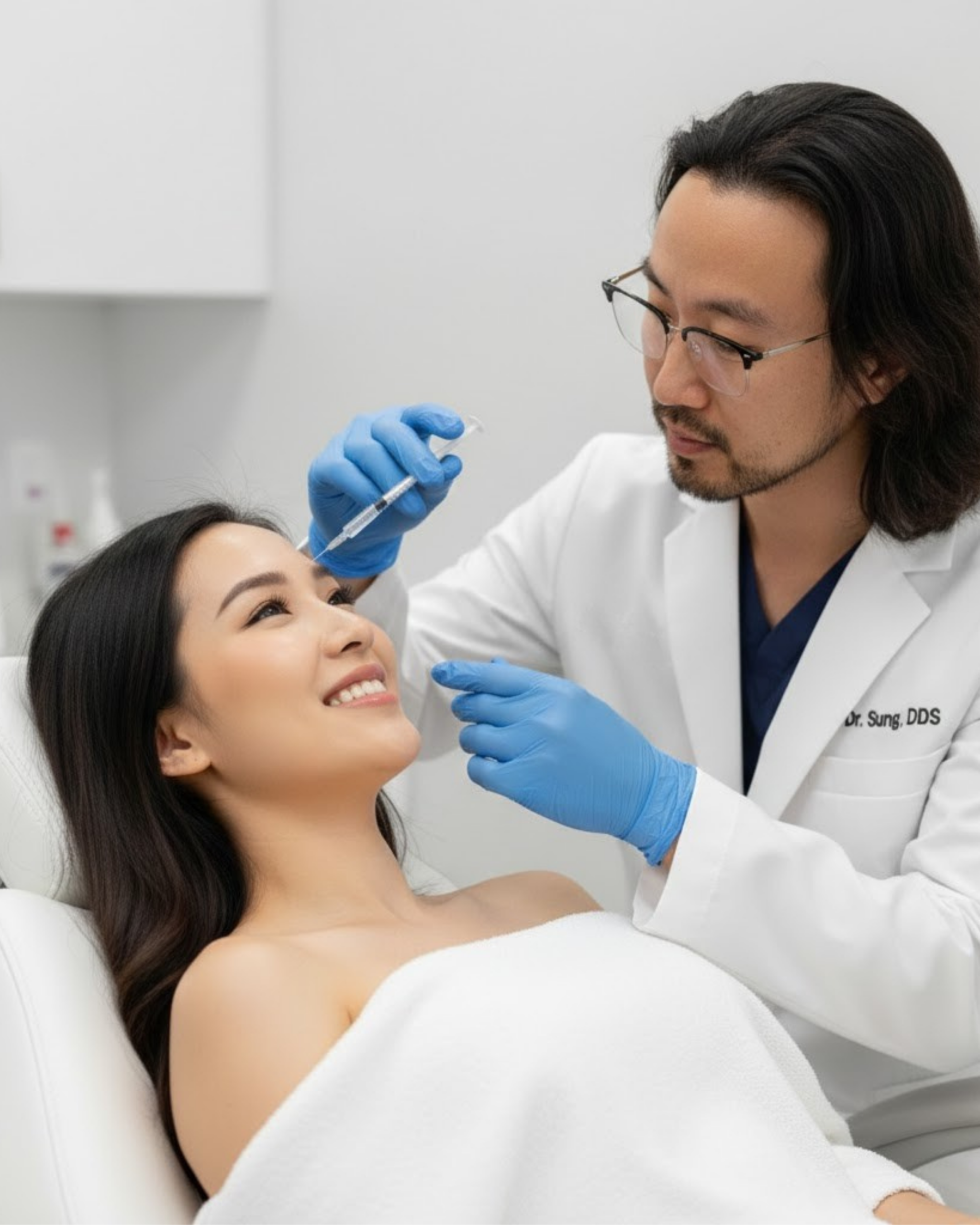
Dentists are experts in facial anatomy—especially the muscles, nerves, and structures of the face, jaw, and neck. They spend years studying how these muscles work together to help us chew, speak, smile, and express emotion.
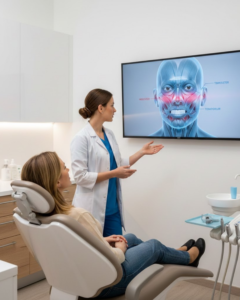
Because of this deep anatomical knowledge, dentists are exceptionally qualified to administer Botox in the lower face and jaw region. Dental Botox isn’t about changing how you look—it’s about restoring balance, comfort, and function.
In many cases, dentists use Botox as part of a comprehensive treatment plan, not a standalone cosmetic procedure.
Botox for Jaw Pain and TMJ Disorders
One of the most common therapeutic uses of Botox in dentistry is for temporomandibular joint disorders, often referred to as TMJ or TMD.
What Is TMJ Disorder?
TMJ disorders affect the joint that connects your jaw to your skull. Symptoms may include:
-
Jaw pain or stiffness
-
Clicking or popping sounds
-
Difficulty opening or closing the mouth
-
Headaches or ear pain
-
Facial soreness
These symptoms are often caused by overactive jaw muscles, clenching, grinding, or stress.
How Botox Helps TMJ Pain
Botox works by relaxing the muscles responsible for excessive tension. When injected into specific jaw muscles:
-
Muscle spasms decrease
-
Pain and inflammation reduce
-
Jaw movement becomes smoother
-
Pressure on the joint lessens
Many patients report relief within days to weeks, with results lasting several months. For people who haven’t found success with night guards or medications, Botox can be a game-changing option.

Botox for Teeth Grinding and Clenching (Bruxism)
Teeth grinding and clenching—known as bruxism—is a common problem that often happens during sleep. Left untreated, it can lead to:
-
Worn or cracked teeth
-
Jaw pain and headaches
-
Gum recession
-
Damage to dental restorations
Traditional treatments include mouthguards, but these protect the teeth without addressing the root cause: overactive muscles.
Botox targets the source of the problem. By relaxing the muscles responsible for grinding:
-
Clenching force is reduced
-
Tooth damage slows
-
Jaw discomfort improves
-
Sleep quality may increase
Patients often say they wake up feeling more relaxed, with fewer headaches and less facial tension.
Botox for Chronic Headaches and Migraines
Many chronic headaches and migraines are linked to muscle tension in the jaw, temples, neck, and forehead. This is especially true for patients who clench or grind their teeth.
Dental Botox can help by:
-
Reducing muscle tightness
-
Lowering pressure on nerves
-
Preventing tension from triggering headaches
For patients who suffer from frequent headaches, Botox can significantly reduce both the frequency and intensity of pain episodes. This benefit alone has helped many people regain control of their daily lives.
Botox for Facial Pain and Muscle Spasms
Some patients experience chronic facial pain due to muscle spasms or nerve irritation. This pain can feel sharp, aching, or constant, and it may not respond well to traditional pain medications.
Botox can:
-
Calm overactive facial muscles
-
Reduce involuntary contractions
-
Improve comfort during daily activities like eating and talking
For patients who have struggled for years with unexplained facial pain, dental Botox can be both relieving and empowering.
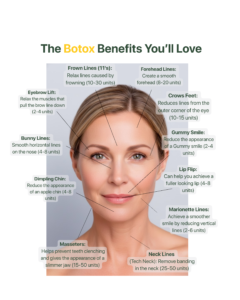
Botox for a Gummy Smile
While many dental Botox treatments are medical, some are aesthetic—but still closely tied to oral health and confidence.
A gummy smile occurs when the upper lip lifts too high while smiling, exposing excessive gum tissue. This is often caused by overactive lip muscles rather than tooth size.
Botox gently relaxes these muscles so the lip rises less when smiling. The result:
-
A more balanced smile
-
Natural-looking results
-
No surgery or permanent changes
It’s a subtle enhancement that can dramatically boost confidence.
Botox for Facial Balance After Dental Procedures
After certain dental treatments—such as extractions, implants, or full-mouth rehabilitation—facial muscles may adapt unevenly. Botox can help:
-
Reduce muscle strain during healing
-
Improve comfort
-
Enhance symmetry
This supportive use of Botox helps ensure that dental treatments feel and look their best.
Is Dental Botox Safe?
When administered by a trained and licensed dental professional, Botox is considered very safe. Dentists who offer Botox undergo specialized training and follow strict protocols.
Side effects are typically mild and temporary, such as:
-
Slight swelling or redness at the injection site
-
Mild soreness
The effects of Botox are not permanent. Results generally last three to four months, after which muscle activity gradually returns.

What Does a Dental Botox Appointment Feel Like?
Many patients are surprised by how quick and comfortable the procedure is.
A typical appointment includes:
-
Consultation and assessment
-
Discussion of goals and expectations
-
Small, precise injections
-
Little to no downtime
Most patients return to normal activities the same day. There’s no surgery, no stitches, and no long recovery period.
Why Patients Love Botox in Dentistry
Patients often describe dental Botox as life-changing—not because of how they look, but because of how they feel.
Common benefits patients report include:
-
Less pain and tension
-
Better sleep
-
Fewer headaches
-
Improved jaw movement
-
Increased confidence
For many, it’s the first time dental care has addressed the cause of their discomfort rather than just the symptoms.
Who Is a Good Candidate for Dental Botox?
You may benefit from dental Botox if you:
-
Experience jaw pain or stiffness
-
Grind or clench your teeth
-
Suffer from chronic headaches
-
Have facial muscle tension
-
Feel self-conscious about a gummy smile
A consultation with a qualified dentist is the best way to determine if Botox is right for you.
Botox in Dentistry: More Than Cosmetic, Truly Therapeutic
The idea that Botox is only about wrinkles is outdated. In dentistry, Botox is a tool for healing, balance, and comfort. It bridges the gap between oral health and overall wellness.
As dentistry continues to evolve, treatments like Botox reflect a more holistic approach—one that recognizes how interconnected our muscles, nerves, and daily habits truly are.
Final Thoughts: A New Way to Think About Dental Care
Dentistry today is no longer just about fillings and cleanings. It’s about comfort, function, and confidence. Botox is one of the many ways modern dentists are redefining patient care.
If you’ve been living with jaw pain, headaches, or facial tension, there may be an option you haven’t considered yet. And it might just come from your dentist—not a beauty clinic.
Botox in dentistry proves one powerful truth: sometimes, the most effective treatments are the ones that go beyond expectations.